
Independent Temptek process-cooling equipment guide
Temptek Chiller Buyers: Build a Fluid-and-Configuration Record
Have a used or surplus Temptek chiller in the United States? Start with the exact nameplate, then document the circulating fluid, actual or last known setpoint, heat-rejection arrangement, condition, and release facts. Surplus Chiller Buyer may review the specific opportunity as a direct prospective buyer.
Temptek fluid-and-configuration evidence
Send the nameplate, then show the fluid path and operating context.
Submit the facts that identify the actual Temptek equipment, its circulating-fluid use, condition, location, and proposed release. A submission asks a direct prospective buyer to evaluate an opportunity. It is not a purchase guarantee, offer, price, payment commitment, or agreement to inspect, pick up, remove, disconnect, rig, freight, dismantle, demolish, recover refrigerant, meet a timeline, provide a local office, or perform project services.
Useful facts to have ready
- A straight-on, readable photo of every Temptek nameplate, model, serial number, electrical label, refrigerant label, controller, and separately tagged pump, tank, or condenser component.
- A unit-specific fluid-and-setpoint card: water, water/glycol, or unknown; supported glycol protection or concentration if available; actual or last known leaving/process setpoint; process use; source and date of each statement.
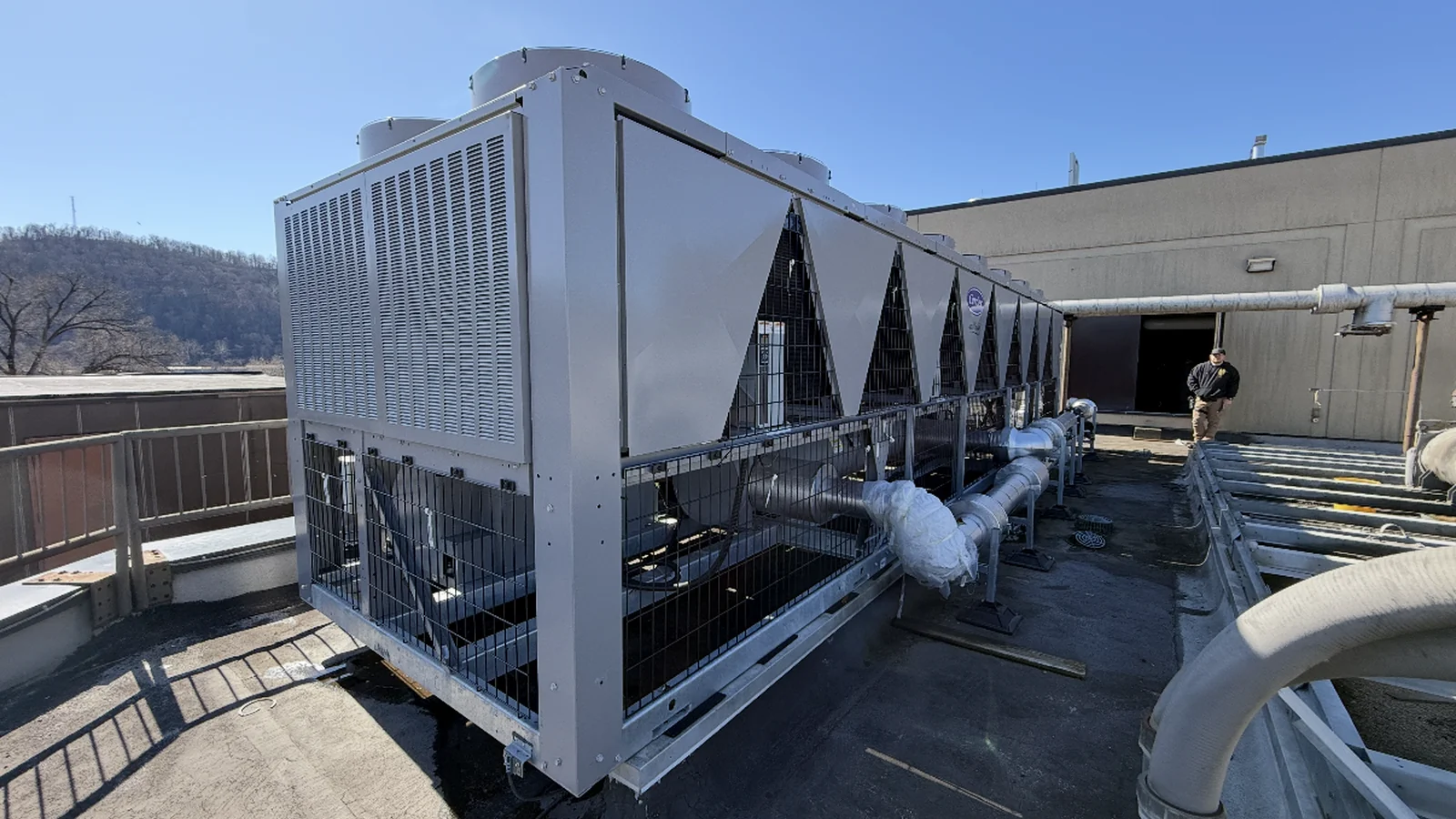
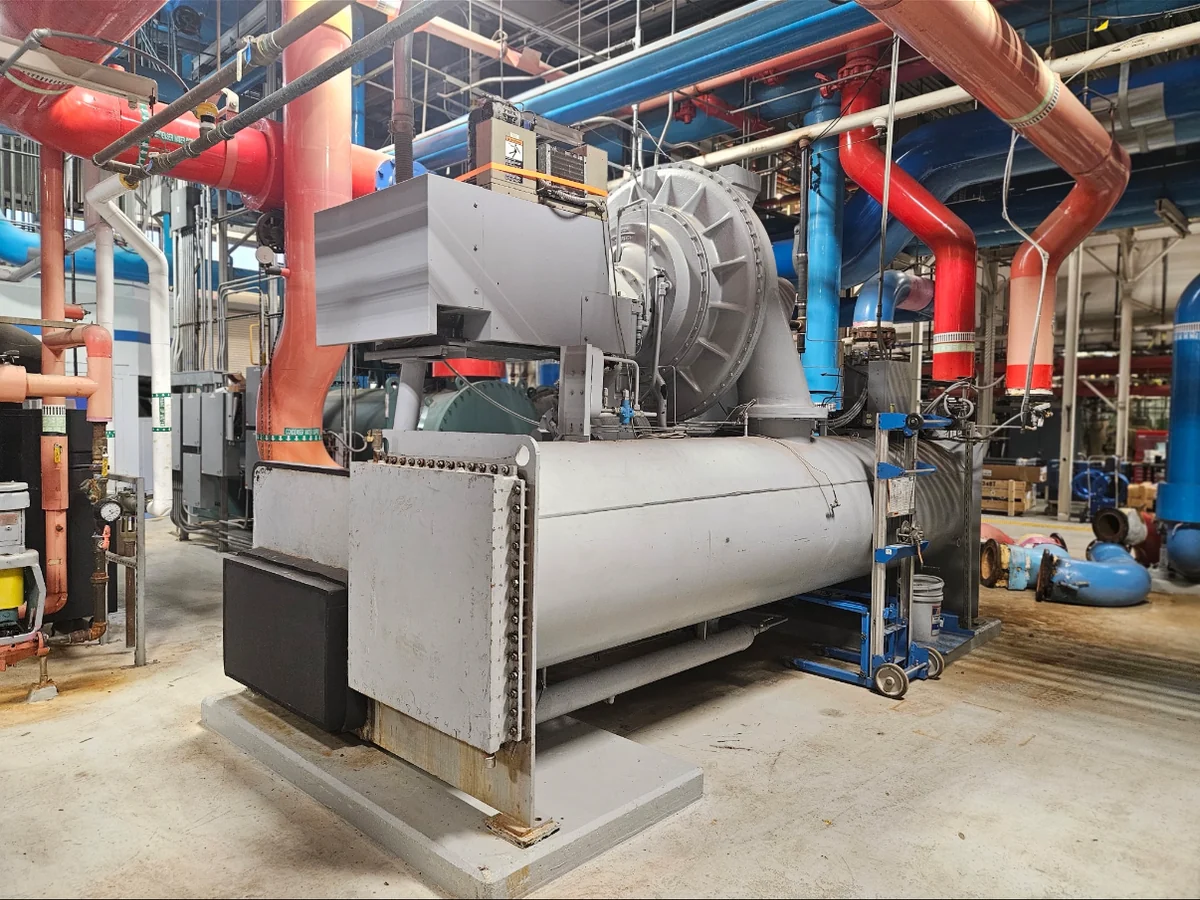
- Wide and close photos of the complete chiller, compressor area, condenser/fans or condenser-water connections, evaporator/process connections, pump, reservoir, control display, base, damage, open panels, and loose parts.
- The supported configuration: portable water chiller, central water chiller, glycol chiller, air-cooled, water-cooled, outdoor, indoor, or unknown. Include the matched manual, submittal, equipment schedule, or service record when available.
- A component-boundary list marking every pump, reservoir, remote equipment, controls panel, cooling-tower connection, piping section, skid, accessory, and document as included, excluded, remaining in service, missing, or unknown.
- Present status, last known operation, known alarms or faults, refrigerant status if supported, exact U.S. location, access route, release authority, restrictions, and realistic release window.
Identify the Temptek asset before comparing it to a catalog
Use the exact Temptek nameplate and matched series before assigning a product category.
Surplus Chiller Buyer is an independent prospective buyer and is not affiliated with, authorized by, sponsored by, endorsed by, or acting for Temptek, Temptek, Inc., or any dealer, representative, service organization, or affiliate. “Temptek” is used only to identify equipment a seller may submit for review.
Temptek’s official materials separate portable water chillers, central water chillers, and glycol chillers and list distinct series such as CF, CG, TTI, TT-OACS, MA/MW, TT-OACS-CG, and TTI-CG. For classification, preserve the full nameplate (prefixes, suffixes, and serial number) and match only documents that identify the same model and serial number.
- Photograph the full Temptek nameplate and transcribe every model and serial character; flag unreadable characters rather than completing them from memory.
- Photograph the full cabinet or skid, controller, compressor section, heat-rejection side, process connections, pump/reservoir area, and any separately tagged components before assigning portable, central, or glycol.
- Attach only manuals, submittals, startup records, or service documents that identify the same model and serial number; label family-level catalog matches as leads, not proof.
- If the label shows CF, CG, TTI, TT-OACS, MA, MW, or another designation, preserve that designation exactly and record supporting evidence.
- Keep a Temptek badge separate from other manufacturers’ badges and do not use another brand’s identity as proof for a Temptek chiller.
Complete the fluid, setpoint, and rating-conditions card
Record the process-fluid context so “tons” does not become an unsupported promise.
Temptek documentation ties capacity and suitability to specified rating conditions and to whether a unit circulates water or a water-glycol solution. A catalog rating can frame questions but is not a measured output for a used machine. Create a unit-specific card that pairs the exact model/serial with the documented fluid, setpoint, and source for each number.
The CG glycol-chiller manual cautions that operation below certain temperatures requires an appropriate inhibited water/glycol mixture and regular protection testing. That manual guidance is a manufacturer reference; it does not prove what liquid or concentration is present in any particular used unit.
Map the package, process loop, and heat-rejection boundary
Separate a Temptek chiller from the auxiliary equipment and plant piping around it.
Temptek lists pump tanks and cooling towers in addition to chillers, and some portable models include an integral reservoir and pump. A submitted equipment file must show whether the offered asset is a single serial-numbered chiller, a chiller plus listed accessories, or part of a larger process-cooling system.
Trace the machine boundary and the site boundary distinctly: machine scope is the named chiller and included accessories; site scope is the point where electrical feeders, process piping, condenser connections, and building interfaces would be isolated or remain in service. This map informs evaluation but does not assign responsibility for disconnection or removal.
Describe condition and possible removal as separate questions
A condition record and a site-release record answer different buyer questions.
Temptek manuals identify refrigeration components and controls used on current models—compressors, condensers, filter-driers, expansion valves, evaporators, reservoirs, pumps, and safety indicators. Those reference points guide photographing and documenting a machine, but they do not establish a used unit’s completeness, charge state, leak condition, or code compliance.
Chiller condition (what is present and observable) and site-release facts (what will be handed off and where the disconnection boundary lies) are different. Treat electrical isolation, piping work, refrigerant work, removal, rigging, and related tasks as external project questions to be allocated by written terms and qualified parties.
Plan an intact handoff, a possible lift, or disposal without merging the scopes
Verify lifting and regulatory facts before any physical project is assumed.
If an intact Temptek chiller might be moved later, qualified parties need verified, machine-specific weight and dimension data, center-of-gravity information if available, manufacturer-approved lifting points, and the unit’s base condition. A catalog shipping weight for a new model is not a verified lift plan for an existing installed or modified unit.
Intact transfer differs from dismantling or cut-up for disposal. EPA Section 608 guidance identifies chillers as equipment often dismantled on site and states refrigerant must be recovered under servicing requirements prior to disposal; technician certification and other permits may apply. Those requirements are conditional on the actual equipment and the appointed qualified parties.
Frequently asked questions
Before you send the chiller.
If your machine does not fit a standard category, submit the available details anyway. Clear photographs and a readable nameplate often establish whether more information is worthwhile.
What Temptek equipment belongs on this page?
Use this page for equipment actually identified as Temptek and that is a chiller or potential chiller package. Temptek materials distinguish glycol chillers, portable water chillers, and central water chillers from temperature-control units, pump tanks, cooling towers, and other auxiliary equipment. Submit the nameplate and full-system evidence so the offered asset can be classified without calling every nearby Temptek component a chiller.
Why do you need fluid and setpoint details for a Temptek chiller?
Current Temptek information ties central-chiller use to water or water/glycol process fluid and states capacity under defined conditions for certain models. The glycol manual addresses lower-temperature use and glycol protection. The requested card helps distinguish documented operating context from an unsupported capacity claim; it does not prove a used unit’s output or condition.
Can I submit a Temptek unit if it is not running or has an incomplete record?
Yes. State whether it is operating, idle, isolated, disconnected, stored, non-operational, partly dismantled, or unknown. Send the clearest available nameplate, full-unit photographs, known faults, removed parts, last known operating information, and what records are available. Submission begins a conditional buyer evaluation; it does not guarantee an inspection, offer, price, purchase, payment, or schedule.
Does a Temptek buyer evaluation include removal, rigging, freight, or refrigerant handling?
No. Those issues may affect evaluation, but no pickup, removal, disconnection, freight, rigging, dismantling, demolition, refrigerant work, timing, local office, or project service is included automatically. Identify the machine and site boundaries, then rely on written terms for any responsibility a party actually accepts.
What is the difference between intact transfer and demolition of a Temptek chiller?
An intact transfer concerns the identified machine and the agreed handoff boundary. Demolition or dismantling/cut-up changes the scope and may create disposal obligations. EPA guidance says chillers typically dismantled on site before disposal must have refrigerant recovered under servicing requirements, and technicians working on equipment that could release refrigerant must be certified. Provide known status and records, but leave the actual work, permits, waste, hazardous-material, and restoration requirements to the responsible owner and qualified parties for the site.
Authoritative references
Source material behind this seller guide.
These external manufacturer and government sources support the equipment terminology and planning context used above. They do not establish the condition, configuration, safety, compliance, or transaction fit of a specific chiller.