
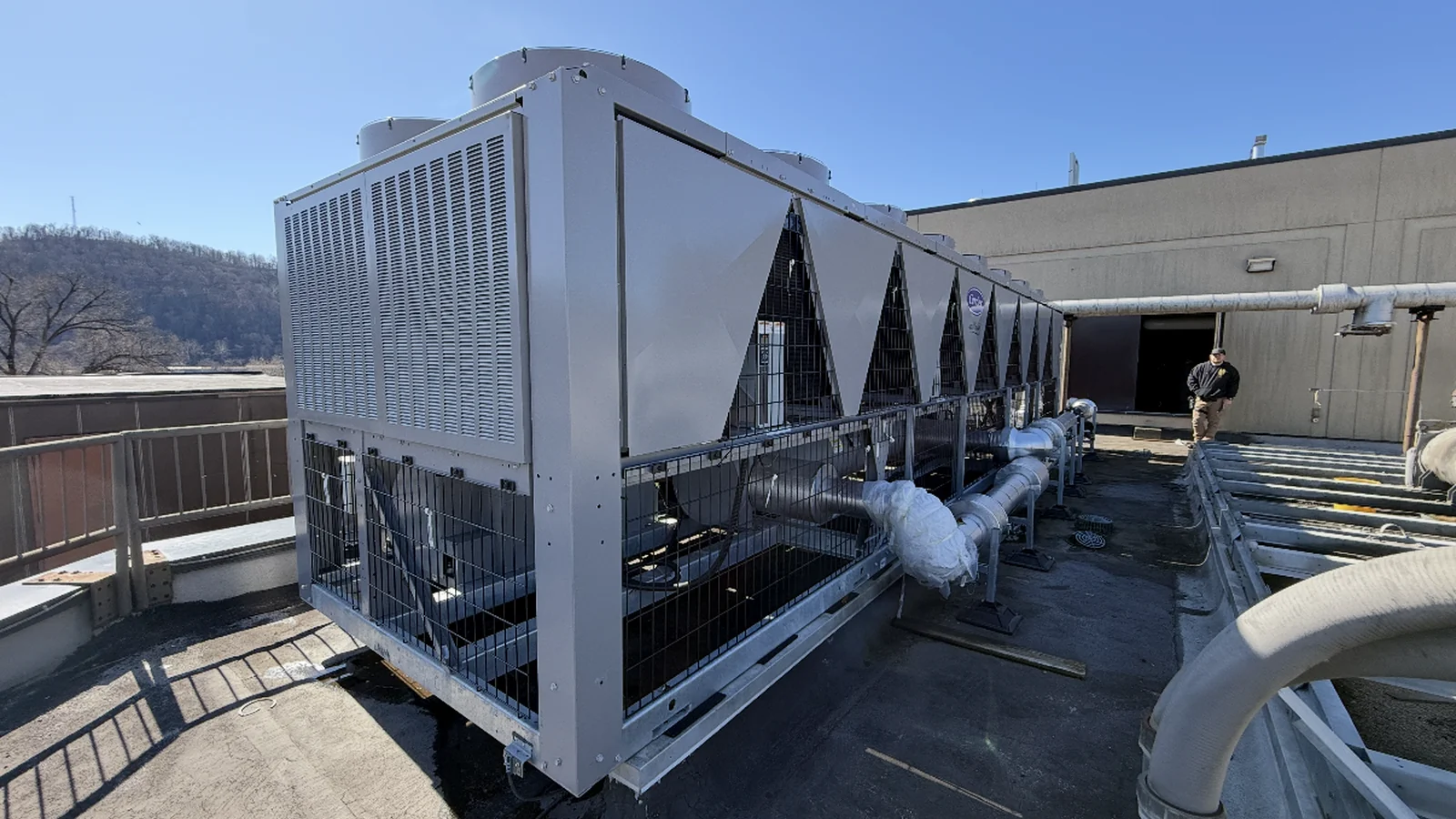
U.S. direct chiller buyer inquiry
Sell Used Chillers With a Clear Sale File
If you are asking how to sell my chiller, start with a clear record of the machine, the people authorized to release it, and the project facts around it. Submit used industrial or commercial chillers for direct buyer evaluation.
Seller submission
Start your chiller sale file
Send the available facts so a direct prospective buyer can evaluate the actual equipment and project. You do not need every record to begin. State what is known, identify what remains to be confirmed, and offer photographs and documents for follow-up when requested.
Useful facts to have ready
- Readable nameplate and full-unit photographs from accessible sides
- Manufacturer, model, serial, capacity, voltage, refrigerant, and configuration when known
- Present status, known faults, missing components, and available service evidence
- Exact U.S. location, installed status, access limits, and earliest realistic release date
- The person authorized to discuss and release the equipment and any pending approval
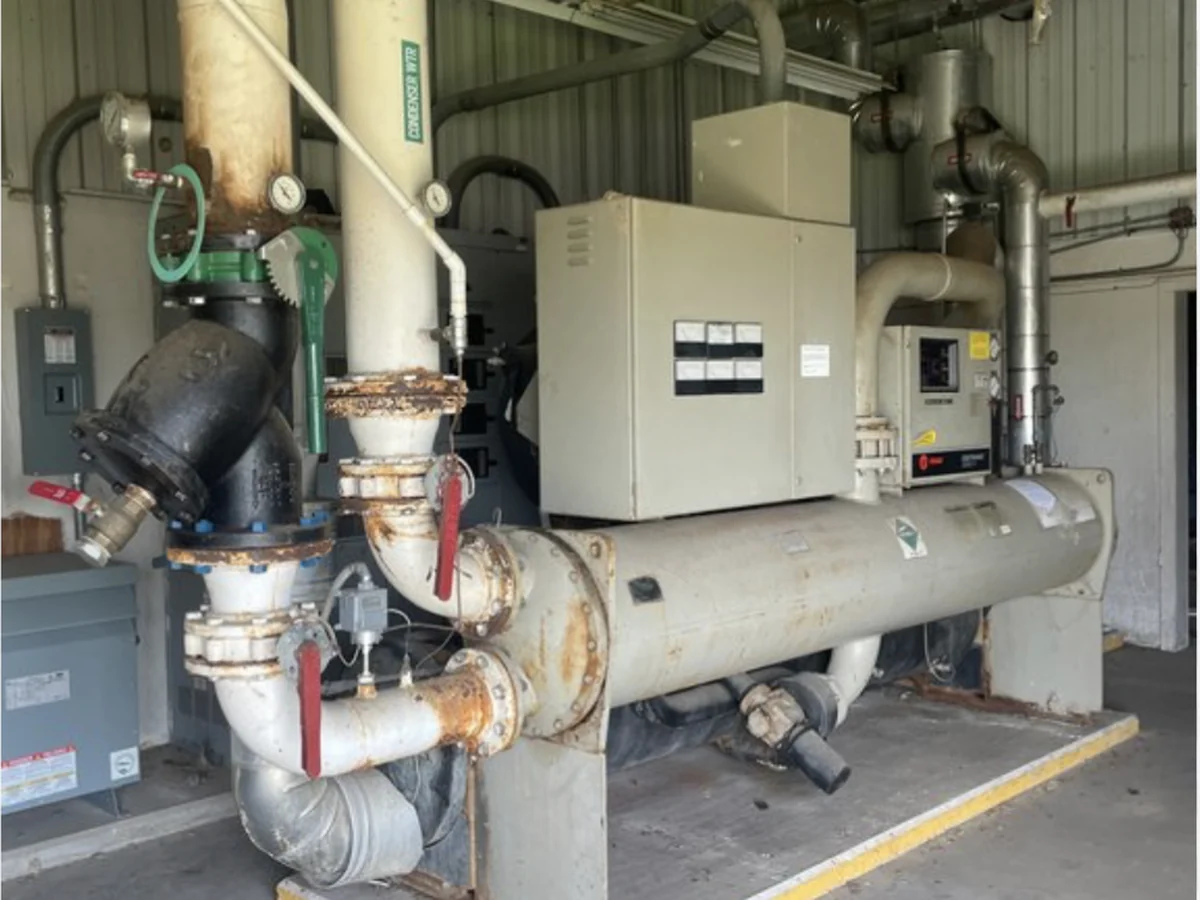
Step 1 / Identify the asset
Make the chiller easy to identify before asking for a decision.
A buyer cannot evaluate a machine from a category name alone. When you sell industrial chillers or sell commercial chillers, identify the actual unit with a clear nameplate, manufacturer, model, serial number, nominal capacity, electrical information, refrigerant, controls, compressor arrangement when known, and quantity.
Be direct about uncertainty. A chiller may still be worth submitting when records are incomplete, but an honest sale file separates known facts from assumptions. Clear identification reduces follow-up and prevents the wrong machine or scope from being discussed.
- Use one readable nameplate photograph for each unit.
- Photograph the machine, controls, compressor area, tags, damage, and loose parts.
- List every serial number separately in a multi-unit project.
- Mark accessories as included, excluded, unknown, or subject to confirmation.
Step 2 / Confirm authority
A sale file needs authority, not just equipment details.
Before a buyer can rely on a submission, identify who owns or controls the chiller and who is authorized to discuss a potential sale. If approvals, leases, liens, landlord requirements, internal review, or decommissioning decisions remain open, describe them instead of assuming they are resolved.
Available should mean more than “we no longer need it.” State whether the equipment can be inspected, whether it still serves a load, when shutdown is permitted, and the earliest date it may be released. This lets a buyer evaluate timing without turning an inquiry into a pickup promise.
Step 3 / Define the handoff
Describe the site without assuming services.
The same chiller can involve very different handoff conditions on a roof, in a mechanical room, at grade, in storage, or already disconnected. Describe elevation, exit route, openings, stairs or elevators, lifting limits, staging, truck approach, site hours, escorts, insurance requirements, permits, and safety rules.
Do not assume pickup, loading, freight, rigging, dismantling, demolition, disconnects, refrigerant work, or cleanup are included. State what has occurred, what the seller expects, and what remains undecided. Any accepted responsibility belongs in written terms.
Step 4 / Package the evidence
Give the buyer one usable decision packet.
A decision-ready sale file connects the equipment record, authority, release plan, and site conditions. Send the best available materials together rather than spreading critical information across unrelated messages. Records may include photographs, service notes, equipment schedules, drawings, included-component lists, and a short project summary.
A complete package does not compel a purchase. It gives the prospective buyer a cleaner basis to ask questions, request more evidence, inspect, or decline. Protect confidential information and identify anything that changed after the photographs or records were created.
Step 5 / Confirm the transaction
If there is interest, put the actual deal in writing.
After evaluation, a buyer may request more information, consider a further review, decline, or discuss possible purchase terms. Any written proposal should identify the exact equipment, included and excluded items, amount if any, payment conditions, title or risk allocation, release date, and inspection rights.
Pickup, loading, transportation, freight, rigging, dismantling, demolition, refrigerant handling, permits, insurance, access, and timing may be discussed, but none are guaranteed by an inquiry. Only terms expressly confirmed in writing apply.
Frequently asked questions
Before you send the chiller.
If your machine does not fit a standard category, submit the available details anyway. Clear photographs and a readable nameplate often establish whether more information is worthwhile.
Can I submit a chiller without every service record?
Yes. Submit the facts and photographs you have and identify what is unavailable. Missing records may lead to follow-up or may affect whether the opportunity fits current purchasing needs.
What does authorized to release the equipment mean?
It means the submitter can accurately discuss the equipment and either has authority to pursue a sale or can identify the party who does. Disclose any unresolved ownership or approval issue.
Can I ask the buyer to handle rigging, removal, freight, or refrigerant work?
You may describe the work you believe is needed and ask whether it can be considered. This page does not promise those services. Any accepted responsibility must be evaluated and confirmed in written terms.
What happens after I submit my sale file?
The submission begins evaluation. Additional facts, photographs, records, access details, or clarification may be requested, or the equipment may not fit current purchasing needs. Acknowledgment is not an offer.
When is a chiller sale actually agreed?
Only when the parties confirm the applicable transaction terms in writing, including the specific equipment, amount if any, payment, timing, title, risk, and accepted responsibilities.