
Document
Record identity, configuration, capacity, condition, completeness, location, and site access with clear supporting photographs and records.
Technical equipment guide
Prepare heat recovery chillers for buyer review with identification, capacity, electrical, refrigerant, operating-condition, access, and release information.
Start with the facts
Share enough detail to identify the asset and frame the site. Required fields are marked. This form requests review only and does not create a purchase, price, pickup, removal, or payment commitment.
Identify the machine
Nameplate, configuration, capacity, and condition.
Describe the site
Location, installation, access, and release date.
Define requested scope
State which responsibilities still need agreement.
Equipment before promises
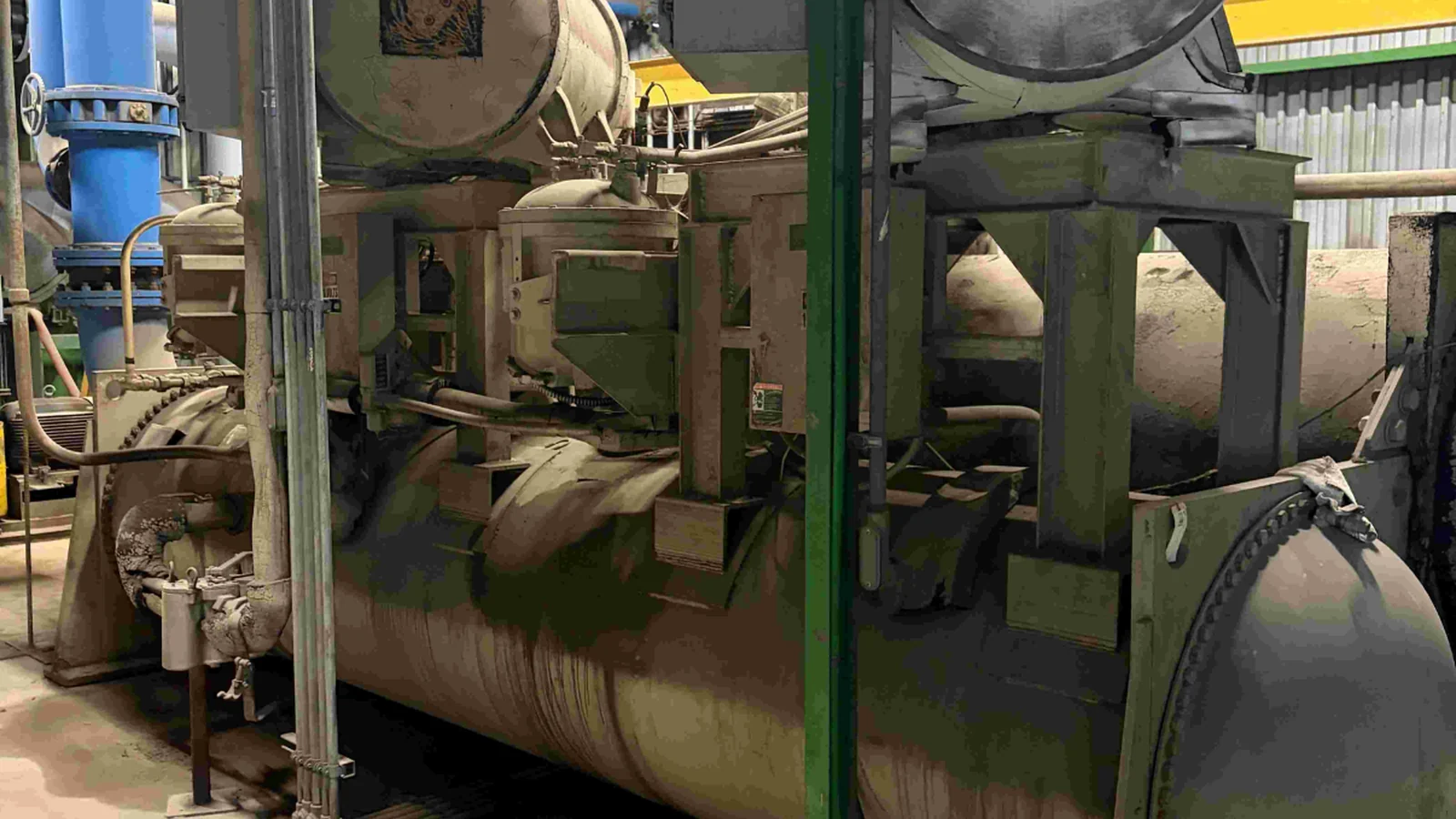
Heat Recovery Chillers have configuration-specific evidence needs. A concise submission identifies how the unit rejects heat, its compressor or thermal cycle, nominal capacity, electrical requirements, refrigerant or working fluid, controls, major assemblies, and whether the complete machine remains available. The purpose is to reduce uncertainty, not to substitute a generic label for inspection.
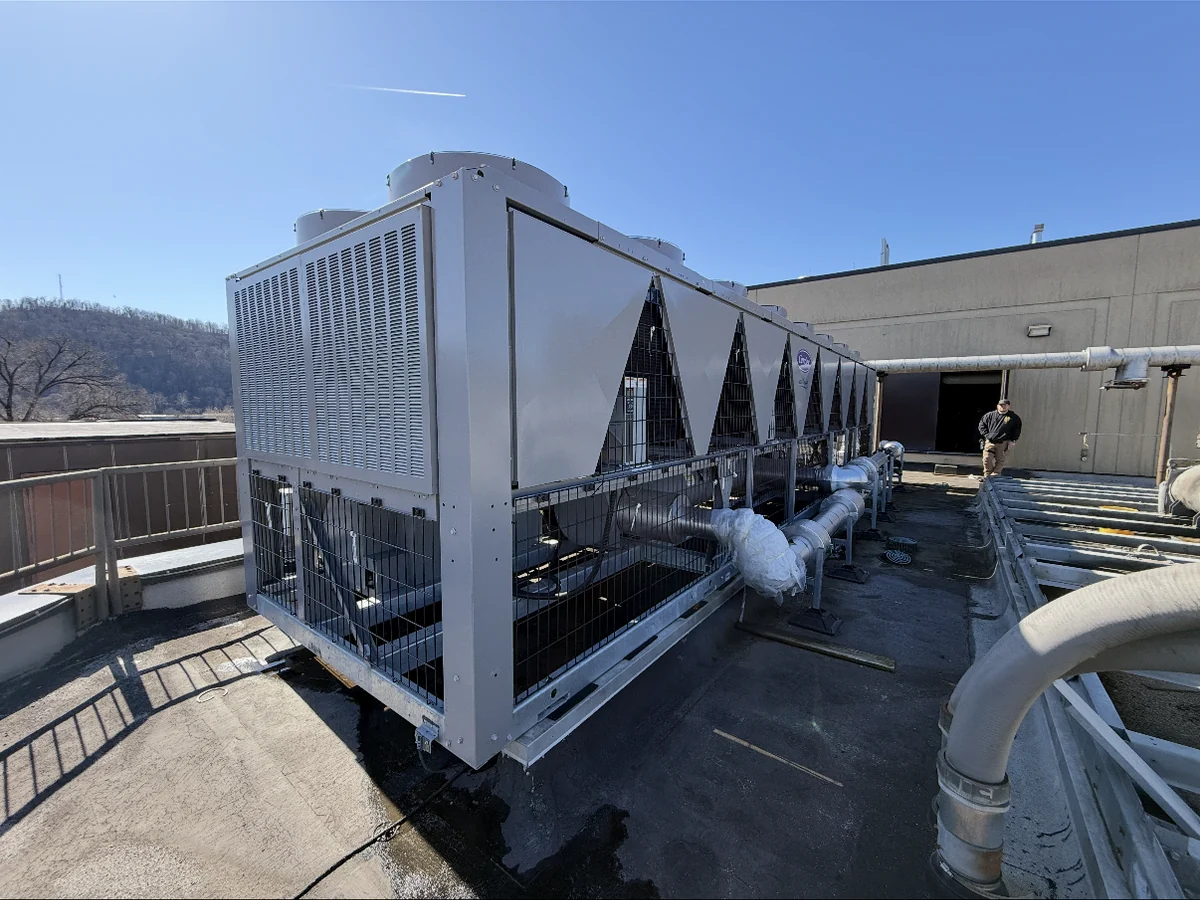
Photograph the nameplate, complete enclosure or frame, heat exchangers, compressor or drive sections, controls, electrical cabinets, piping connections, and any separately stored components. Include dimensions and weight when reliable records are available. If information is unknown, label it unknown rather than estimating; an accurate gap is easier to resolve than an unsupported specification.
Transaction clarity
Explain present status: operating, non-operational, disconnected, installed, stored, incomplete, or scheduled for a future shutdown. Note known leaks, tube or coil damage, missing refrigerant, control faults, freeze damage, corrosion, and prior repairs. Access and release terms should be documented separately from equipment condition so the scope is not misunderstood.
The location page adds site-specific questions, while manufacturer pages help identify model-family evidence. Together they create a more useful review packet than a short request containing only type and tonnage.
No page on this site guarantees a purchase, offer, price, payment schedule, pickup, freight, loading, rigging, dismantling, decommissioning, removal, insurance, licensing, service coverage, or availability.
Initial evidence package
A practical sequence
Record identity, configuration, capacity, condition, completeness, location, and site access with clear supporting photographs and records.
Clarify missing facts and determine whether the equipment and release situation warrant further commercial discussion.
If interest continues, put equipment, price, payment, inspection, loading, freight, site responsibilities, timing, and risk terms in writing.
Common questions
Document the complete nameplate, major assemblies, controls, heat exchangers, compressor or drive configuration, electrical requirements, refrigerant, capacity, and any known service or operating history.
Yes, its facts can be submitted for review. Clearly identify missing parts, known failures, storage history, and whether the unit can be inspected. Review does not guarantee purchase interest.
Those services are not assumed. Access, disconnection, loading, rigging, freight, dismantling, and release responsibilities must be defined for the specific transaction.